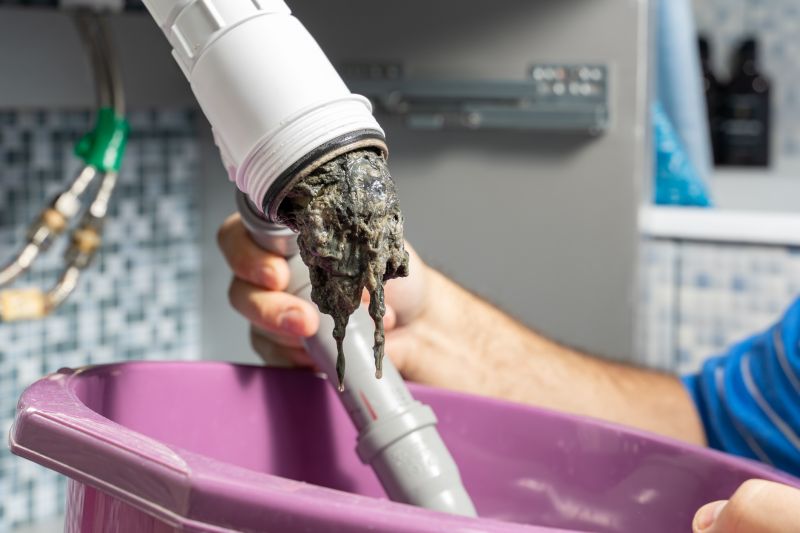
Clogged Pipe Clearing in Denver, CO
Clogged pipe clearing services focus on removing obstructions that prevent proper drainage in residential plumbing systems. These services typically address issues such as slow or backing-up sinks, toilets, bathtubs, and floor drains. Projects may involve clearing blockages caused by accumulated debris, grease, hair, or foreign objects within pipes, as well as addressing more complex issues like tree root intrusion or pipe collapses. Property owners often want to understand the common causes of clogs, the methods used to clear them, and any necessary follow-up steps to prevent future problems.
Before requesting clogged pipe clearing, homeowners usually seek information about the extent of the blockage, the best techniques for clearing different types of pipes, and whether the service includes inspections to identify underlying issues. Understanding the scope of work, potential causes of recurring clogs, and any recommended preventative measures can help property owners make informed decisions and ensure their plumbing functions smoothly.
Many property owners in Denver, CO look into Clogged Pipe Clearing for repairs, replacements, upgrades, and appearance-related improvements.
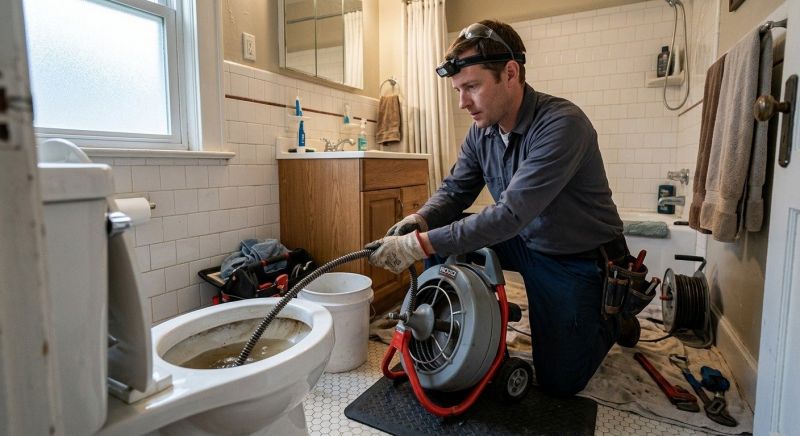
Common Causes Of Clogged Pipes
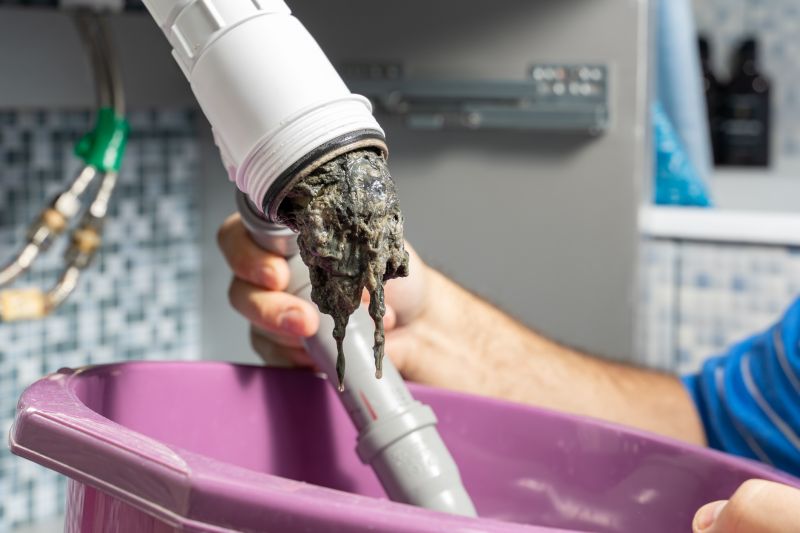
Blockages often result from grease, hair, or debris buildup in residential plumbing systems.
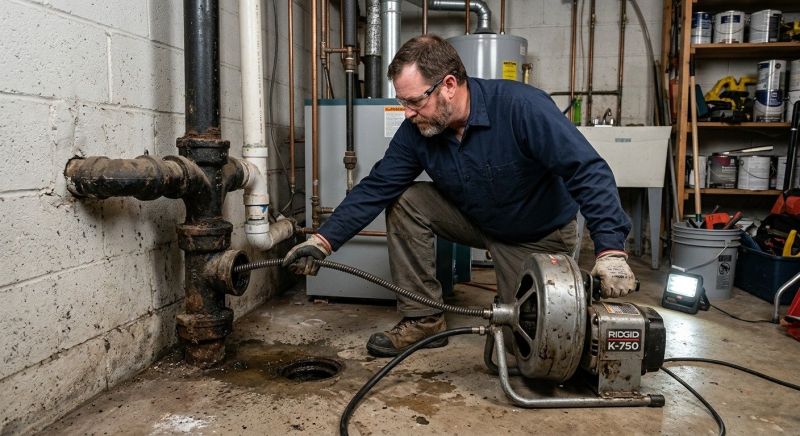
Signs Of A Clogged Drain
Slow draining sinks, gurgling sounds, or foul odors can indicate a pipe obstruction nearby denver homes.
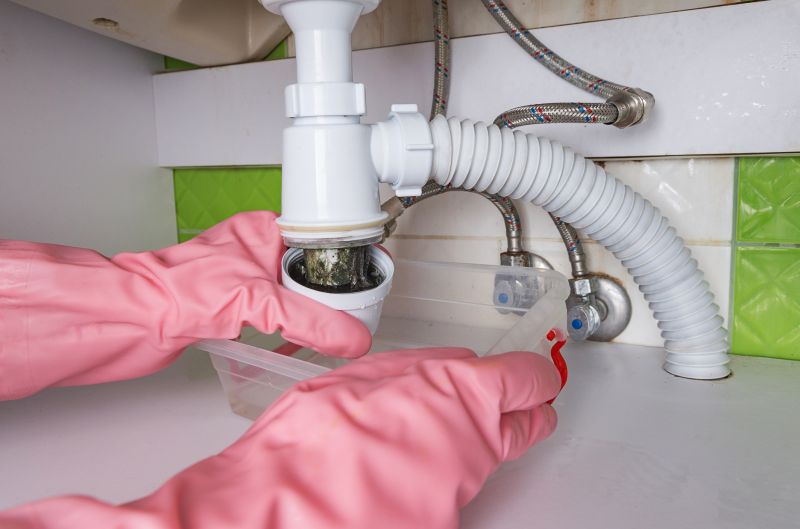
Preventative Maintenance Tips
Regularly flushing drains with hot water and avoiding the disposal of grease can help prevent clogs.
Clogged Pipe Clearing in Denver, CO

Clogged pipe clearing services focus on removing obstructions that prevent proper drainage in residential plumbing systems. These services typically address issues such as slow or backing-up sinks, toilets, bathtubs, and floor drains. Projects may involve clearing blockages caused by accumulated debris, grease, hair, or foreign objects within pipes, as well as addressing more complex issues like tree root intrusion or pipe collapses. Property owners often want to understand the common causes of clogs, the methods used to clear them, and any necessary follow-up steps to prevent future problems.
Before requesting clogged pipe clearing, homeowners usually seek information about the extent of the blockage, the best techniques for clearing different types of pipes, and whether the service includes inspections to identify underlying issues. Understanding the scope of work, potential causes of recurring clogs, and any recommended preventative measures can help property owners make informed decisions and ensure their plumbing functions smoothly.
Many property owners in Denver, CO look into Clogged Pipe Clearing for repairs, replacements, upgrades, and appearance-related improvements.
Common Clogged Pipe Clearing Jobs
Drain cleaning - clearing blocked pipes to restore proper flow.
Kitchen drain services - removing clogs caused by grease, food, or soap buildup.
Bathroom drain clearing - resolving slow or backed-up sinks, tubs, and showers.
Main sewer line cleaning - addressing blockages that affect the entire property.
Pipe snaking - using specialized tools to break up and remove stubborn clogs.
Hydro jetting - employing high-pressure water to thoroughly clean pipes and prevent future blockages.

Clogged Pipe Clearing Questions
What causes a pipe to become clogged? Common causes include hair, grease, food debris, and mineral buildup blocking the flow inside pipes.
How can I tell if a pipe is clogged? Signs include slow draining fixtures, gurgling sounds, or water backing up in sinks or toilets.
Are chemical drain cleaners effective? Chemical cleaners may temporarily clear minor clogs but can damage pipes over time and are not always reliable for severe blockages.
What types of pipes can be cleared? Clogged pipes in sinks, toilets, showers, and main sewer lines can typically be cleared with professional equipment and techniques.
Request Clogged Pipe Clearing in Denver, CO
Use the quote form on this page to share the basics of your project and request more information for the type of work you need.